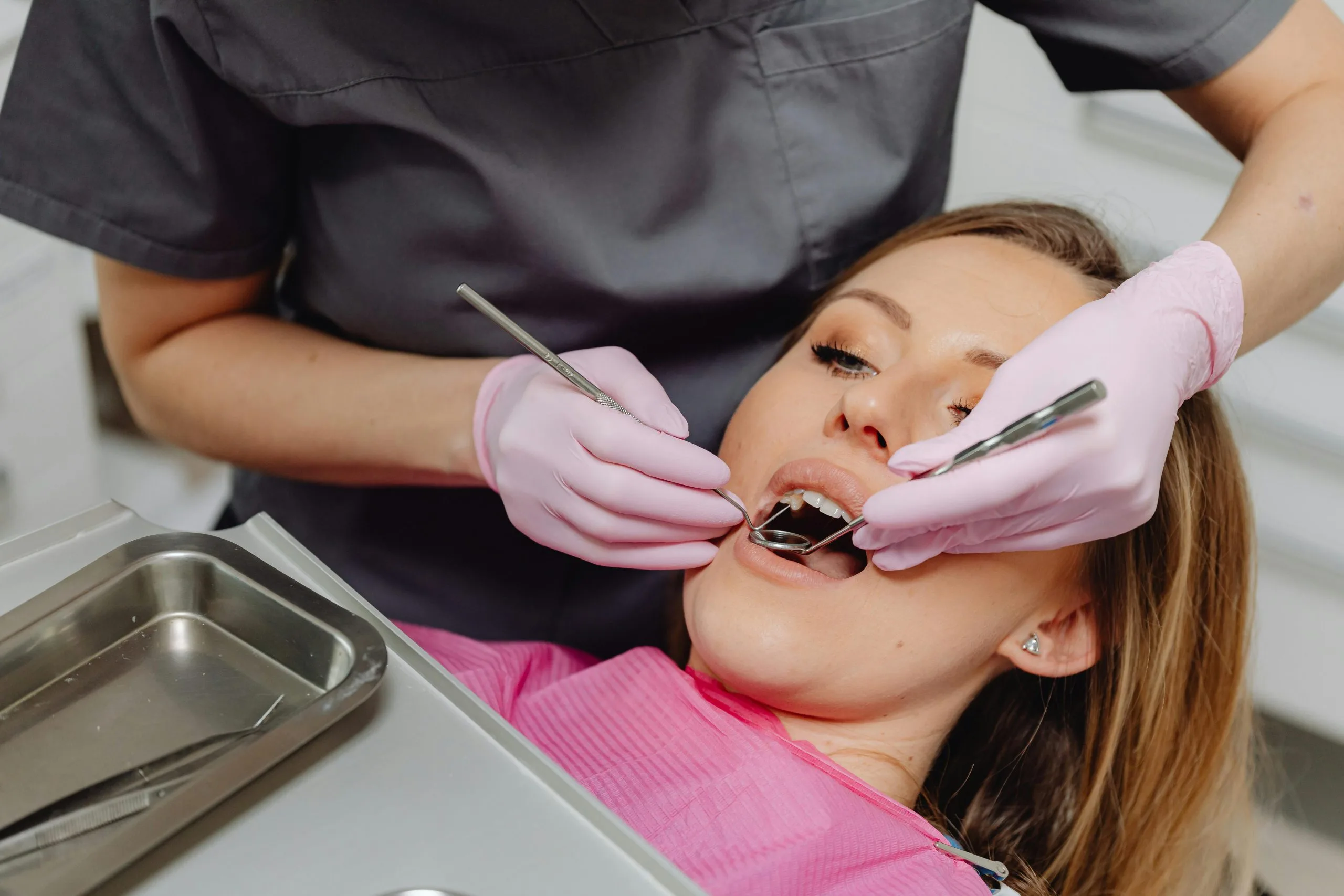
One of the most common concerns patients have before getting dental implants is whether the procedure is painful. This fear is completely understandable, especially when the idea of oral surgery is involved. However, modern implant dentistry is designed to be as comfortable as possible, with most patients reporting far less discomfort than they originally expected. At Maryland Holistic Dentistry, Dr. Gena Schultheis focuses on gentle, precise treatment to help patients feel at ease throughout the entire process.
Understanding what actually happens during and after implant placement can help reduce anxiety and set realistic expectations.
During the dental implant procedure itself, most patients do not feel pain because the area is fully numbed using local anesthesia. This means the gums and jawbone are desensitized while the implant is being placed.
Some patients may feel pressure or movement, but not sharp pain. The experience is often compared to having a routine dental procedure done, rather than something invasive or painful.
For patients with dental anxiety, additional comfort options may also be discussed to help make the experience more relaxed.
Many people assume that dental implants will be painful because they involve placing a post into the jawbone. In reality, the procedure is carefully controlled and minimally invasive compared to what patients often imagine.
Modern techniques and advanced imaging allow for precise placement, which reduces unnecessary tissue disruption. This precision plays a major role in minimizing discomfort during and after the procedure.
After the procedure, it is normal to experience some mild soreness as the anesthesia wears off. This is typically manageable and often described as similar to the feeling after a routine dental extraction.
Most patients report tenderness in the gums, slight swelling, or minor discomfort for a few days following treatment. These symptoms are temporary and usually improve steadily as healing progresses.
Over-the-counter pain relief and following post-operative instructions usually help keep any discomfort under control.
For most patients, the initial healing phase lasts only a few days. Any soreness tends to decrease significantly within the first 48 to 72 hours.
As the implant begins to integrate with the jawbone over time, discomfort typically resolves completely. Many patients return to normal daily activities shortly after the procedure.
Every patient experiences healing differently. The level of discomfort can depend on factors such as the number of implants placed, overall oral health, and how complex the procedure was.
Patients with healthy gums and strong bone structure often experience smoother recovery. Following aftercare instructions also plays an important role in minimizing discomfort and supporting proper healing.
Proper aftercare is essential for a comfortable recovery. Patients are usually advised to rest for a short period after the procedure and avoid putting pressure on the treated area.
Soft foods are recommended during the initial healing phase, along with gentle oral hygiene practices. Keeping the area clean and following the dentist’s instructions helps reduce inflammation and supports faster recovery.
At Maryland Holistic Dentistry, patients receive detailed guidance from Dr. Gena Schultheis to ensure healing is as smooth and comfortable as possible.
A common experience among dental implant patients is that the procedure was easier and less painful than expected. This is often due to modern techniques, effective anesthesia, and careful treatment planning.
Once patients go through the process, many feel more confident about dental care and reassured about future treatments if needed.
Dental implants are not typically painful during the procedure, and post-treatment discomfort is usually mild and temporary. Most patients are pleasantly surprised by how manageable the experience is from start to finish. At Maryland Holistic Dentistry, Dr. Gena Schultheis uses precise, patient-focused techniques to ensure comfort, safety, and a smooth recovery while helping patients restore their smiles with confidence.

About the Author
Gena Schultheis, DDS
May 5, 2026
