
No-Prep Veneers vs Traditional Veneers: A Complete Guide
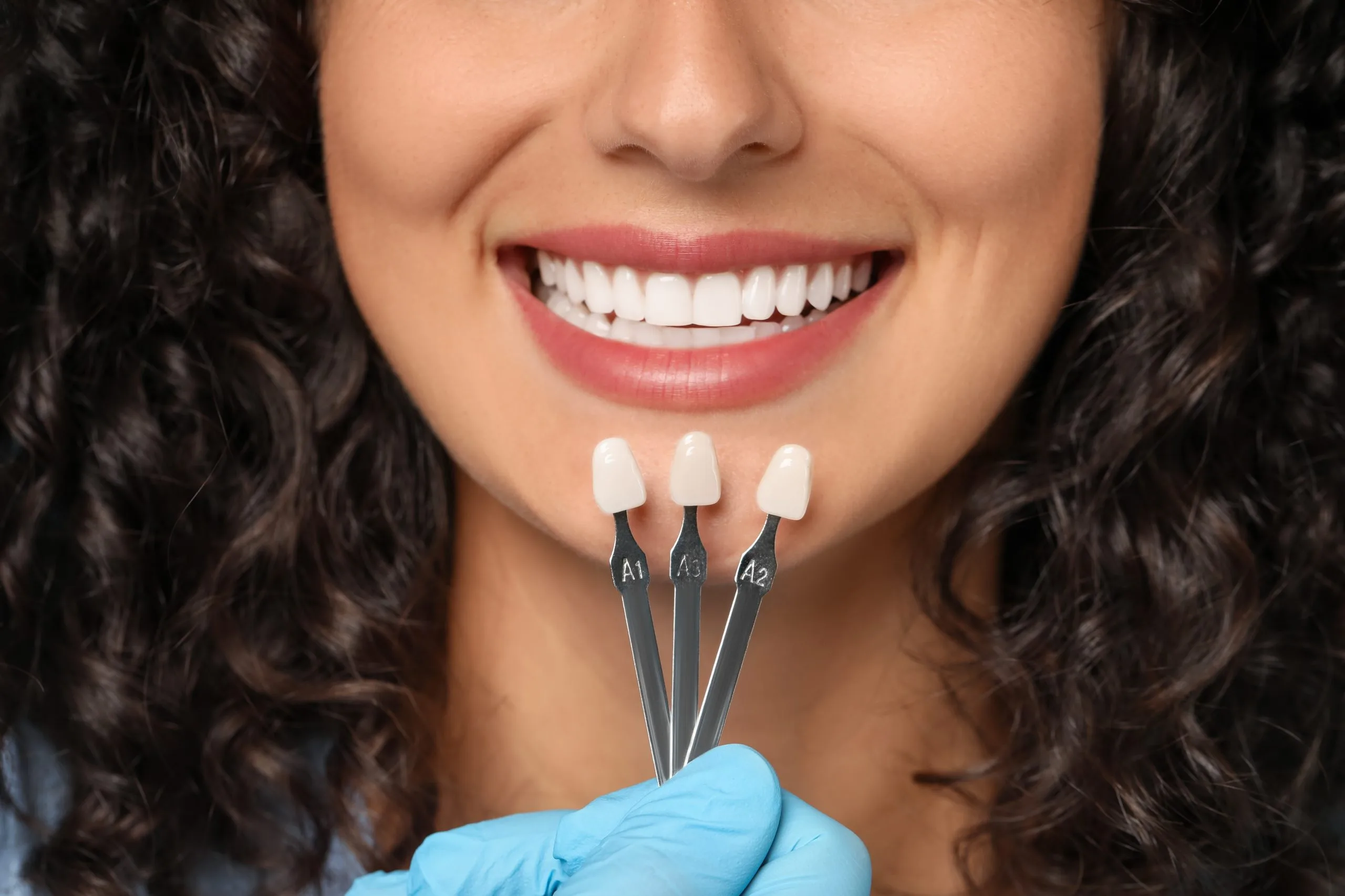
A radiant smile can transform your confidence, and dental veneers offer one of the most effective paths to achieving it. The main difference between no-prep and traditional veneers comes down to how much of your natural tooth is changed: traditional veneers require removing a thin layer of enamel for a flush fit, while no-prep veneers are ultra-thin shells bonded directly to your teeth with little to no enamel removal. This distinction influences everything from reversibility to the ideal candidate for each option.
At Maryland Holistic Dentistry, we blend advanced technology with a wellness-focused philosophy to help you find the right path for your goals and dental health.
What Are Traditional Veneers?
Traditional veneers are thin, custom-crafted shells – most often porcelain – that cover the front of your teeth. They are a cornerstone of cosmetic dentistry, correcting chips, cracks, severe discoloration, gaps, and minor misalignment.
The process is “traditional” because it involves a preparatory step: a small amount of enamel – typically less than a millimeter – is gently removed so the veneer sits flush with your gumline and adjacent teeth, preventing a bulky or unnatural look. This reshaping lets traditional veneers correct more noticeable problems, such as teeth that stick out or are heavily stained.
Types of Traditional Veneers
Two common materials are used for traditional veneers:
Porcelain veneers: The gold standard for a complete smile makeover. Each veneer is meticulously fabricated in a dental laboratory from precise digital impressions. Porcelain mimics the light-reflecting properties of natural enamel, is incredibly strong and stain-resistant, and can be customized in shade and shape. Learn more about porcelain veneers.
Composite veneers: Made from tooth-colored resin. Usually less expensive and sometimes faster to complete, but they tend to stain more easily and may not last as long as porcelain.
How Traditional Veneers Work
Consultation and Planning: Your journey begins with a comprehensive consultation. We use advanced diagnostic tools, such as our 3D Cone Beam Imaging, to design your new smile with precision before treatment begins.
Tooth Preparation: A very thin layer of enamel is removed from each tooth. We take a final digital impression, send it to our trusted dental lab, and fit you with temporary veneers while your permanent ones are crafted.
Bonding: When your custom veneers are ready, you’ll return to one of our offices in Annapolis, Crownsville, or Dunkirk. We remove the temporaries, clean the teeth, and carefully bond each veneer, checking fit and color meticulously before permanent cementing.
Benefits and Drawbacks of Traditional Veneers
Benefits:
Comprehensive Correction: Masks significant imperfections, including deep stains, large chips, gaps, and minor misalignment.
Durability: High-quality porcelain can last 15 years or more with proper care.
Stain Resistance: Non-porous porcelain resists staining from coffee, tea, and red wine.
Aesthetic Versatility: Complete control over shape, size, and color for a total transformation.
Drawbacks:
Irreversible Process: Because enamel is removed and does not grow back, the procedure cannot be reversed.
More Invasive: The preparation step makes it more invasive than no-prep alternatives.
Potential for Sensitivity: Some patients experience temporary tooth sensitivity after preparation.
What Are No-Prep Veneers?
No-prep veneers are ultra-thin shells that bond directly to your teeth with little or no enamel removal. Often compared to a contact lens in thinness, they layer over the existing tooth surface without reshaping, making the procedure faster, more comfortable, and in most cases reversible.
Types of No-Prep Veneers
No-prep veneers are typically made from advanced composite resin or ultra-thin ceramic materials engineered to withstand wear despite their slim profile.
Composite (Injection Molding): A tooth-colored composite resin is “injection molded” directly onto the tooth, allowing artistic, direct application and shaping in a single visit. Excellent for correcting small chips, gaps, or slight discoloration.
Ultra-Thin Ceramics: Similar to traditional porcelain veneers but significantly thinner, often as thin as a contact lens. Fabricated in a lab from digital impressions, they offer excellent strength and aesthetics while preserving the underlying tooth. Some brand-name systems specialize in these ultra-thin shells.
How No-Prep Veneers Work
Consultation and Digital Design: A thorough consultation determines if you’re a good candidate. Using our advanced tools, we capture a 3D model and digitally design your enhancements, showing you a simulation of your potential results.
Application: Because no tooth reduction is needed, there’s no anesthesia or temporary veneers. The tooth surface is cleaned and conditioned, and then the no-prep veneers (composite or ceramic) are bonded directly. The process is often completed in one or two appointments.
Benefits and Drawbacks of No-Prep Veneers
Benefits:
Enamel Preservation: Your natural tooth structure stays intact.
Reversible: Since no enamel is removed, the procedure can often be reversed.
Comfortable and Quick: Painless, with no drilling or anesthesia and no recovery time.
Excellent for Minor Enhancements: Ideal for improving color, closing small gaps, or fixing minor chips.
Drawbacks:
Less Comprehensive Correction: Not suitable for severe crowding, large gaps, teeth that stick out, or very dark discoloration.
Can Add Bulk: Placed on top of existing enamel, teeth may appear slightly bulkier if not designed and placed with expertise.
Durability: Strong, but may not be as durable as traditional porcelain and may have a slightly shorter lifespan.
No-Prep Veneers vs Traditional Veneers: Key Differences
Choosing between these two excellent options depends on your dental anatomy, cosmetic goals, and personal philosophy. Here’s a direct comparison.
Procedure and Tooth Preparation
Traditional Veneers: Require removing approximately 0.5 mm of enamel – a permanent alteration. The process involves at least two appointments: preparation and impressions, then bonding.
No-Prep Veneers: Require no significant enamel removal. The procedure is additive, not subtractive, and can often be completed in a single visit (composite) or two visits (lab-fabricated thin ceramics) without temporary restorations.
Materials and Aesthetics
Traditional Veneers: Almost always high-grade porcelain (or composite), offering the highest level of aesthetic control for significant changes in shape, size, and color, with a translucent quality that mimics natural enamel and fully masks dark stains.
No-Prep Veneers: Made from composite resin or ultra-thin ceramics. Beautiful on teeth that are already well-positioned, but may not provide the same opacity or transformative power, making them better for enhancements than complete overhauls.
Longevity and Durability
Traditional Veneers: With proper care, porcelain veneers can last 15-20 years or longer, resisting chipping and staining.
No-Prep Veneers: Generally shorter lifespan. Composite bonding may last 5-7 years before touch-ups; ultra-thin ceramics can last 10-15 years. Longevity depends heavily on oral habits. Good hygiene and regular dental exams and cleanings help both types last longer.
Enamel Preservation
This is perhaps the most significant point of comparison.
Traditional Veneers: Irreversible due to enamel removal – a major consideration for patients hesitant to permanently alter natural teeth.
No-Prep Veneers: The primary advantage. Because enamel does not grow back, preserving it protects long-term dental health, making this the tipping point for many wellness-minded patients.
Comfort and Recovery
Traditional Veneers: Patients may experience some tooth sensitivity for a few days after preparation while wearing temporaries. The bonding appointment is comfortable.
No-Prep Veneers: Virtually painless, with no drilling, no anesthetic injections, and no recovery time. For patients who feel anxious about dental work, gentle sedation dentistry options are also available.
Factors to Consider When Choosing Veneers
At our offices in Dunkirk, Annapolis, and Crownsville, we consider several factors to provide a personalized recommendation.
Oral Health and Tooth Structure
Your underlying oral health is the foundation for any cosmetic work. Cavities, gum disease, or grinding habits should be addressed first. We use digital impression scanning and 3D imaging to precisely evaluate your teeth. If gum health is a concern, gentle laser gum treatments may be recommended before cosmetic work begins.
Cosmetic Goals and Expectations
Be clear about your desired outcome – a subtle improvement or a complete transformation. During your consultation, we encourage you to bring photos of smiles you admire so we can understand your vision and manage expectations for each technique.
Dentist’s Recommendations
Ultimately, the recommendation of an experienced cosmetic dentist matters most. Our team is committed to a co-discovery process, offering virtual and in-person smile makeover consultations to examine your teeth, discuss your goals, and explain which type of veneer – or combination – will serve you well. Learn more on our philosophy page.
Conclusion: Which Veneer Option Is Right for You?
The debate over no-prep veneers vs traditional veneers doesn’t have a single right answer – it has the right answer for you. Traditional veneers offer greater versatility and dramatic, durable correction but require permanent enamel removal, while no-prep veneers preserve your natural tooth and offer a gentler, often reversible experience – as long as your teeth are good candidates.
To find out which option fits your smile, schedule a consultation and explore the best solutions with a personalized plan.

About the Author
Gena Schultheis, DDS
July 20, 2026